Plan Bees

Helping Our Pollinators Thrive

Friendly Bee Education, Conservation, and Rescue since 2012.
Eugene • Oregon

Beekeeping Education

Curious about keeping honey bees but not sure where to begin? Beekeeping can look complicated from the outside, but with a little good information it becomes much easier to understand what you need, what you don’t, and what to expect during your first year.

Plan Bees is here to help make that first step easier. From choosing basic equipment and finding your first bees to understanding seasonal care and what you’re seeing inside the hive, our goal is to give beginning beekeepers clear, practical guidance without making things more complicated than they need to be.

How We Help

Bumblebee

Bumblebee Rescue

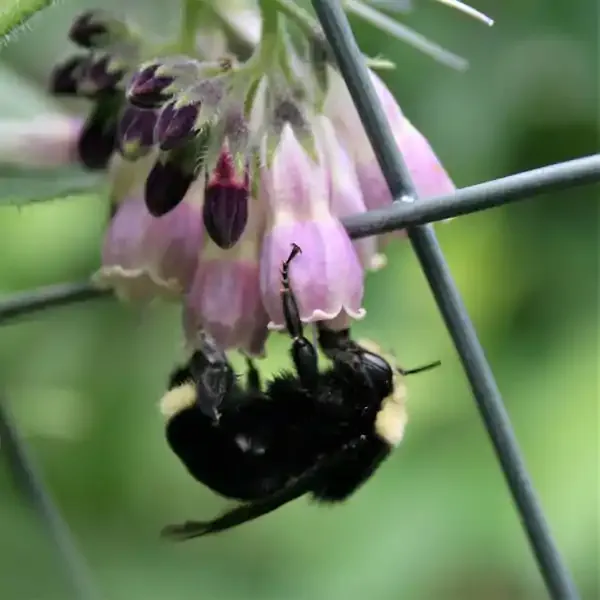
Bumblebees are native to our area and play an important role in our ecosystem. These gentle giants have a seasonal life cycle from spring until late summer or fall, depending on the species. Learn more about how you can help these important pollinators and coexist with a nest that becomes defensive.

Meet our bumblebees

Coexist with a bumblebee nest
Native bee

Our Native Pollinators

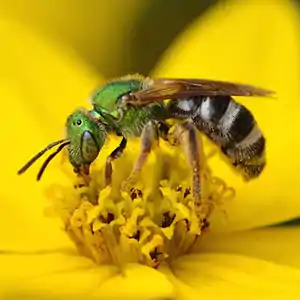
We have an amazing array of native bee, butterfly, and syrphid fly species in the Willamette Valley. Each of these curious creatures plays an important role in our ecosystem. There are easy ways you can help support them, including planting native flowers, providing nesting habitat, and avoiding both herbicides and pesticides.

Dive deeper into our pollinators
Colorful honey bee hives in a grassy field surrounded by trees

Plan Bees Sterling Apiary

Rooted in Lane County

Plan Bees’ teaching beeyard outside of Eugene.

A Bit About Bees

Bees are essential pollinators for our food systems and native ecosystems. In the Willamette Valley, we're home to honey bees, several species of bumblebees, and hundreds of amazing native bee species, each playing a vital role in our environment.

While honey bees are often the most visible, our native bees and bumblebees are equally important for pollination. They have unique behaviors and habitat needs, and many of them are facing challenges from habitat loss, pesticides, and climate change. By learning about these incredible creatures and how to coexist with them, we can all contribute to a healthier ecosystem for everyone.

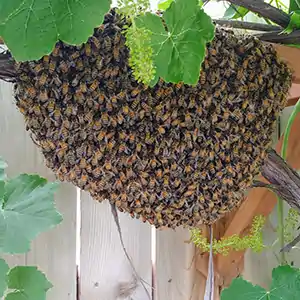
As a community service, our approach focuses on education, relocation, and habitat preservation. Whether it's moving a honey bee swarm to a managed hive where they can thrive, providing options for bumblebee nests, or helping with strategies for other native bee species, we're committed to solutions that work for both people and pollinators.