
Honey Bees
Beekeeping Education
Curious about keeping honey bees? Plan Bees offers clear, practical guidance to help you get started, from choosing basic equipment and finding your first bees to understanding your hive through the seasons. Let’s make your first steps feel manageable.
Honey bees are remarkable social insects that live in large, year-round colonies. If you unexpectedly encounter them on your property—whether as a swarm or an established hive—there are simple solutions that protect both you and these important pollinators.
Honey Bee Swarms
A honey bee swarm is a natural part of colony reproduction. Growing the colony to be big and healthy enough to divide and send out a swarm is a biological drive of honey bees. When honey bees swarm, the old queen and about half the worker bees leave to find a new home. Because the queen is larger than worker bees, she's not a great flyer. In order to protect her, the bees will often cluster temporarily on a tree branch, fence post, or other structure while scout bees search for a new home.
Swarms are generally calm. The bees are full of honey and focused on staying together with their queen. However, it's still wise to keep a respectful distance and avoid disturbing them.
What We Do
If you have a honey bee swarm on your property, we provide free swarm collection in the Eugene and Springfield area. Call or text with a photo and location so we can discuss collection and arrange a visit. Collected swarms are relocated to managed hives. Established colonies inside buildings need specialist removal, as explained below.
Honey Bee Hives in Structures
Sometimes honey bees establish their hive inside a wall, attic, chimney, or other structure. These established colonies are more complex to remove than swarms and require specialized skills and equipment.
We don't directly remove established hives from structures, but we can connect you with experienced beekeepers who specialize in this type of work.
Getting Help
For honey bee hive removal from walls, attics, or other structures, we recommend contacting the Lane County Beekeepers Association. They maintain a list of skilled beekeepers who can safely and humanely remove established hives.
These removals typically involve cutting into the structure to access the hive, removing the bees and comb, and making repairs. Professional removal ensures the bees are relocated alive and that attractants (like honey and wax) are properly cleaned up to prevent future colonies from moving in.
About Honey Bees
Not Native, But Important
Honey bees (Apis mellifera) are not native to North America—they were brought here by European colonists in the 1600s. Despite being introduced, they've become important managed pollinators for agriculture, especially for crops that require massive pollination efforts like almonds, apples, and berries.
Honey bees and people have a long history together. Beekeeping has been practiced for thousands of years, with evidence of keeping bees for honey harvesting dating back to ancient Egypt and Hittite cultures. The relationship between humans and honey bees has evolved over time, from simple honey gathering to sophisticated hive management and breeding.
Learn more about the history of keeping honey bees
Colony Organization
A honey bee colony functions like a superorganism—thousands of individual bees acting less like separate insects and more like parts of one living whole. In a healthy colony, the queen is the primary egg-layer, capable of laying up to about 2,000 eggs per day during the busiest part of the season. The female worker bees play many roles in the hive. They clean cells, feed larvae, tend to the queen, build wax comb, help regulate hive temperature, guard the entrance, and eventually forage for nectar, pollen, water, and plant resins.
Male honey bees, called drones, have different roles in the colony. They help exchange food, respond to hive signals, and contribute to heat production in the brood nest. Drones also spread the colony’s genetics by mating with new queens from other colonies.
Honey bees have a remarkably rich communication system that includes pheromones, food-sharing, vibration signals, and the famous waggle dance, which helps foragers tell their sisters where to forage for resources.
Explore how honey bees communicate, and what we’re still learning
This sophisticated social structure allows colonies to grow quite large and persist from one year to another. This makes honey bees excellent pollinators and allows them to maintain their hives through cold winters by clustering and generating heat collectively.
Honey Bee Health
A deeper look at the pathogens, parasites, and diseases that affect honey bees in the western United States — with signs, treatment options, and practical management guidance.
Explore Honey Bee HealthHoney Bee Resources
~ Books and Publications ~
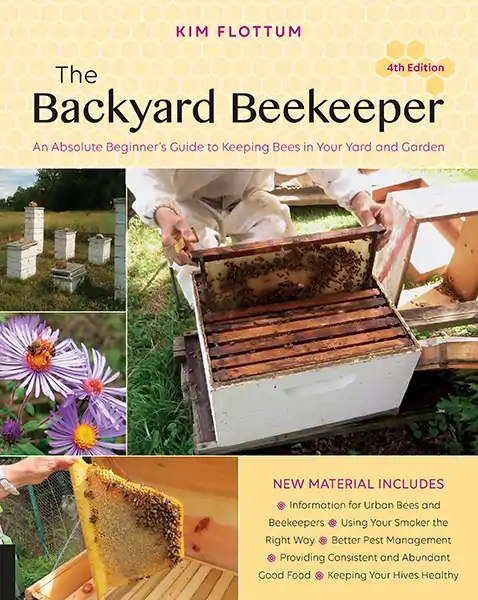
This book is a great introduction to beekeeping. Whether you are just getting started or want a book that covers all of the basics, this is the book to read.
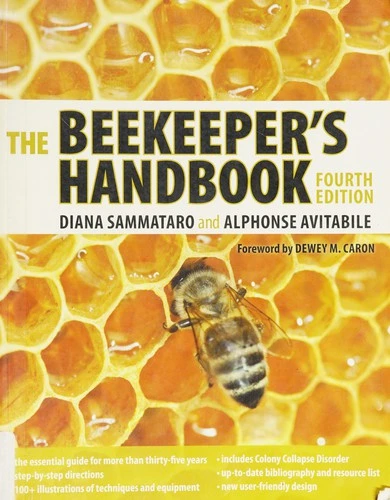
A more advanced beekeeping book. This is the book recommended for the Oregon State Master Beekeeping program.
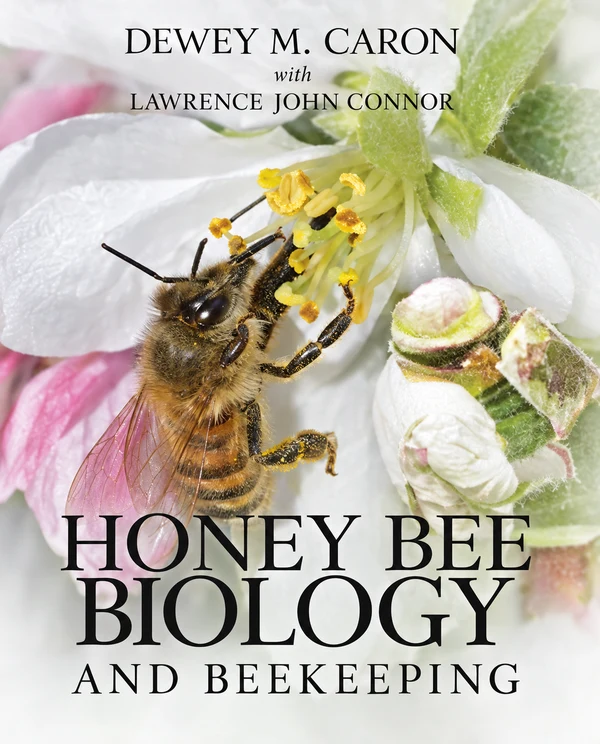
Honey Bee Biology and Beekeeping
For a truly deep dive into honey bees, this is the book that covers it all.
~ Podcasts ~
Listen to Two Bees in a Podcast
Beekeeping Today has a four-part series on how to get started with bees beginning at Season 2, episode 16.
~ Honey Bee Health ~
Read the mushroom extracts study
This 2018 paper in Scientific Reports, from researchers at Fungi Perfecti, Washington State University, and the USDA Agricultural Research Service, describes how they were able to dramatically lower viral loads in honey bee colonies using a 1% mushroom extract fed to their bees in a sugar water solution.