
Pollinator Resources
Creating Pollinator Habitat
Plant for Continuous Bloom
The single most important thing you can do for bees is provide flowers from early spring through late fall. Different bee species are active at different times, and they all need nectar and pollen throughout their flight season.
- Early Spring: Willows, Oregon grape, early fruit trees
- Mid- to Late Spring: Camas, ceanothus, lupines, caneberries, clover
- Summer: Sunflowers, asters, goldenrod, lavender, bee balm
- Fall: Late-blooming asters, sedum, goldenrod
Provide Nesting Habitat
About 70% of native bees nest in the ground, while the rest use existing cavities in wood, stems, or other materials.
- Ground nesters: Leave patches of bare, undisturbed soil in sunny spots. Avoid mulch and heavy tilling in these areas.
- Cavity nesters: Leave dead wood standing when safe to do so. Don't clear away all the dead stems in fall—many bees nest in pithy stems like blackberry canes.
- Nest boxes: Mason bee houses can support cavity-nesting bees, but they require proper maintenance to prevent disease and parasites.
Avoid Pesticides
Many common pesticides—even some labeled "organic"—are toxic to bees. If you must use pesticides:
- Never spray blooming plants
- Follow the exact product label, including restrictions that protect pollinators
- Choose the least toxic option that will work
- Consider whether treatment is truly necessary
Evening application alone does not make a pesticide safe for pollinators. Residues can remain harmful after spraying. Ask a local extension adviser about alternatives and follow the label's application directions and restrictions.
Read Oregon's pesticide and pollinator guidance Read how EPA assesses pollinator exposure
Local Organizations & Resources
Lane County Beekeepers Association
Local beekeeping organization offering education, support, and a list of beekeepers who can remove established honey bee hives from structures.
Visit LCBA websiteLinn County Master Gardeners Association
Linn County Master Gardeners provides great information on our native mason bees and leafcutter bees.
Visit Linn County Master Gardeners websiteXerces Society for Invertebrate Conservation
Excellent resources on native bee conservation, habitat creation, and pollinator-friendly farming practices. Based in Portland, Oregon.
Visit Xerces SocietyOregon State University Extension
Research-based information on pollinators, gardening, and sustainable landscaping for Oregon conditions.
Read OSU Native Plant Picks for BeesRead OSU Shrubs and Trees for Bees
Visit OSU Extension
Honey Bee Resources
~ Books and Publications ~
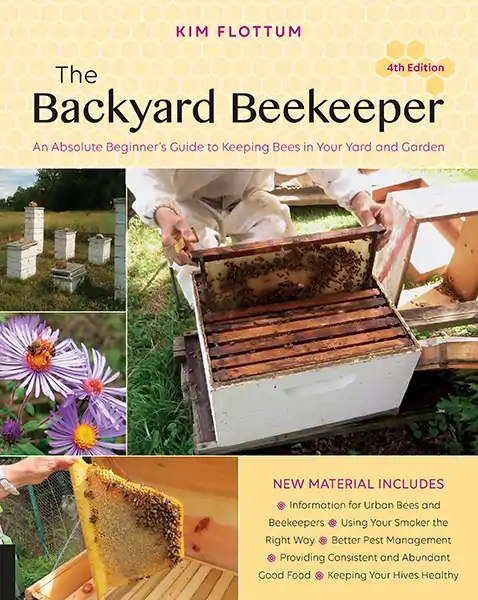
This book is a great introduction to beekeeping. Whether you are just getting started or want a book that covers all of the basics, this is the book to read.
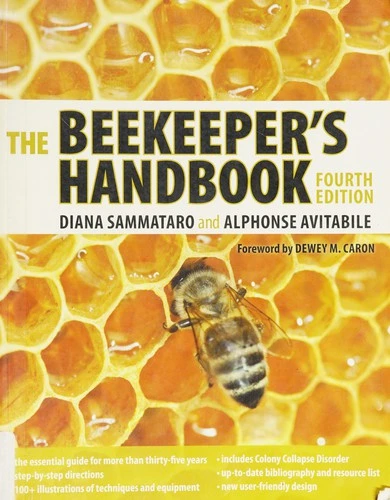
A more advanced beekeeping book. This is the book recommended for the Oregon State Master Beekeeping program.
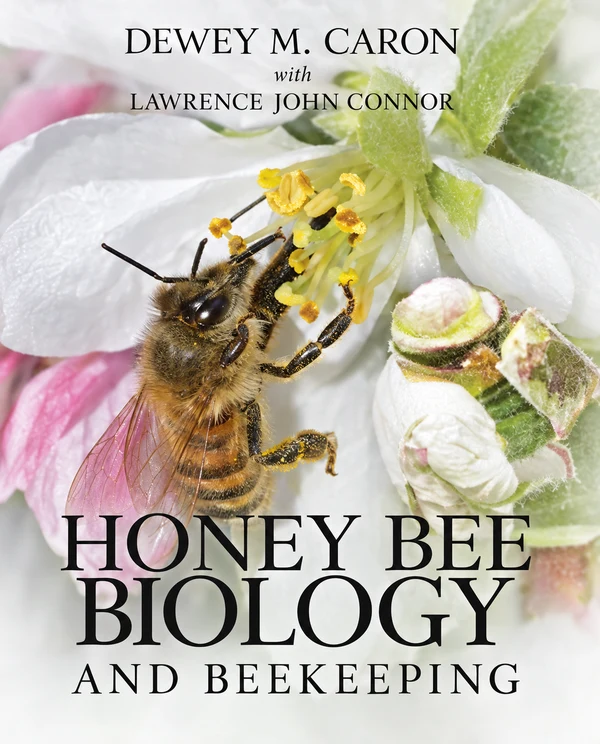
Honey Bee Biology and Beekeeping
For a truly deep dive into honey bees, this is the book that covers it all.
~ Podcasts ~
Listen to Two Bees in a Podcast
Beekeeping Today has a four-part series on how to get started with bees beginning at Season 2, episode 16.
~ Honey Bee Health ~
Read the mushroom extracts study
This 2018 paper in Scientific Reports, from researchers at Fungi Perfecti, Washington State University, and the USDA Agricultural Research Service, describes how they were able to dramatically lower viral loads in honey bee colonies using a 1% mushroom extract fed to their bees in a sugar water solution.
Pollinator Resources
~ Books and Publications ~
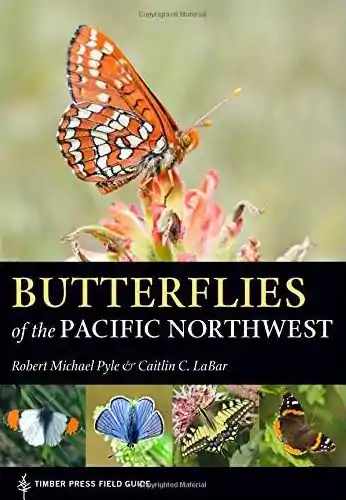
Butterflies of the Pacific Northwest
A beautiful and thorough book on the butterflies in our region. This is absolutely a must-have for anyone into native pollinators. You can purchase it from Paradise Cay Publications.
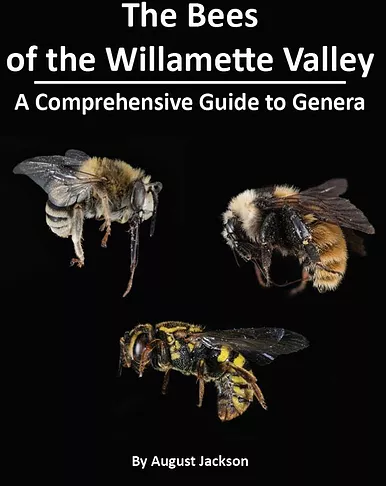
The Bees of the Willamette Valley
An excellent resource for our region. The photos are stunning and the descriptions provide a great way to begin identifying our native species. You can download a copy of the guide.
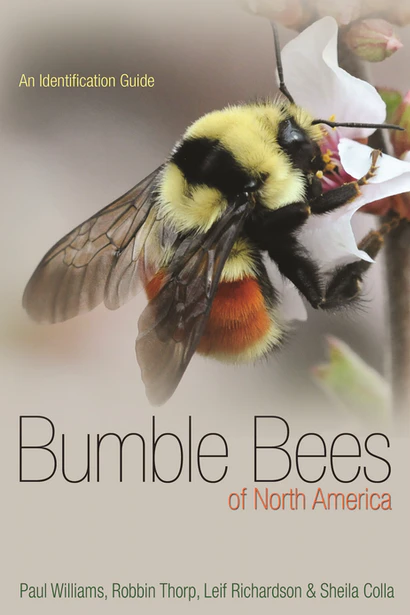
This is a very thorough book on bumblebees. While it's not Oregon-specific, it goes into a lot of detail on their life cycle and has excellent resources for identifying each species.
~ Websites ~
Read the Oregon Department of Agriculture Bee Guide
~ Sources for Mason Bees ~
Planting for Pollinators
~ Books and Publications ~
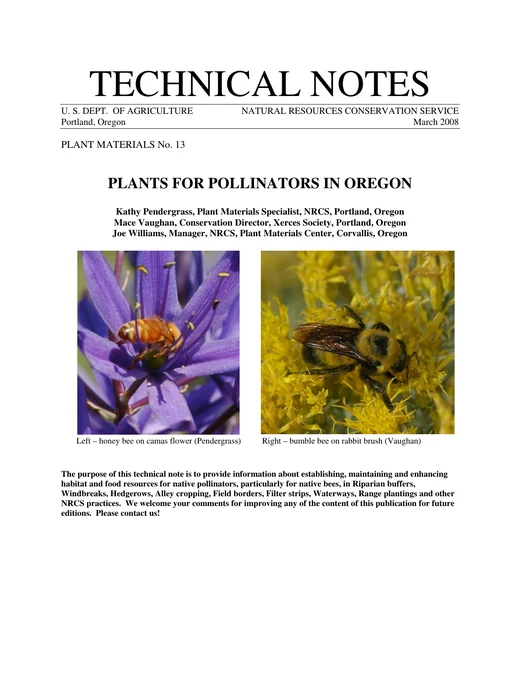
Plants for Pollinators in Oregon
An Oregon guide to establishing and caring for pollinator habitat, with a focus on native bees. Covers choosing plants for local growing conditions, planning flowers through the seasons, and providing nesting areas. Also includes habitat guidance for butterflies.
Read the guide (PDF, 411 KB) · March 2008 · 26 pages
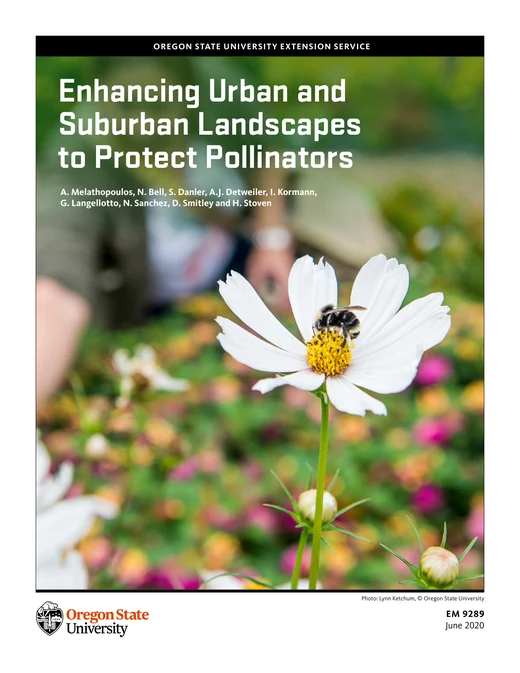
Enhancing Urban and Suburban Landscapes to Protect Pollinators
A Pacific Northwest guide to making yards, gardens, and other landscaped spaces more welcoming to pollinators. Includes plant selection, habitat care, and example garden designs, with an emphasis on areas west of the Cascades.
Read the guide (PDF, 12.8 MB) · June 2020 · 41 pages
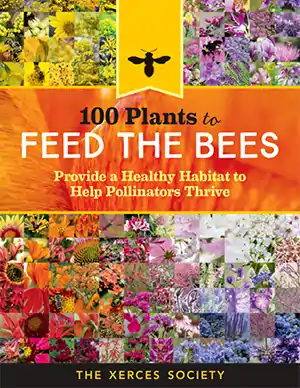
This is not Oregon-specific, but it is a great starter guide, and the native range of each plant is shown on a map.
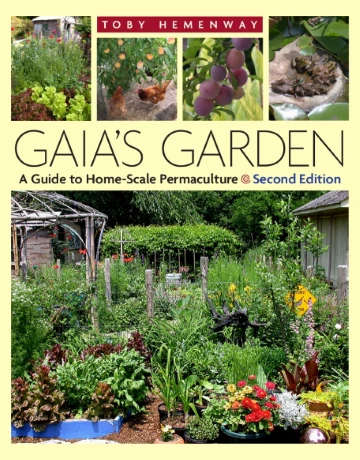
While not specific to planting for bees, this is my favorite permaculture book and covers principles that can and should be applied to any gardening adventure.
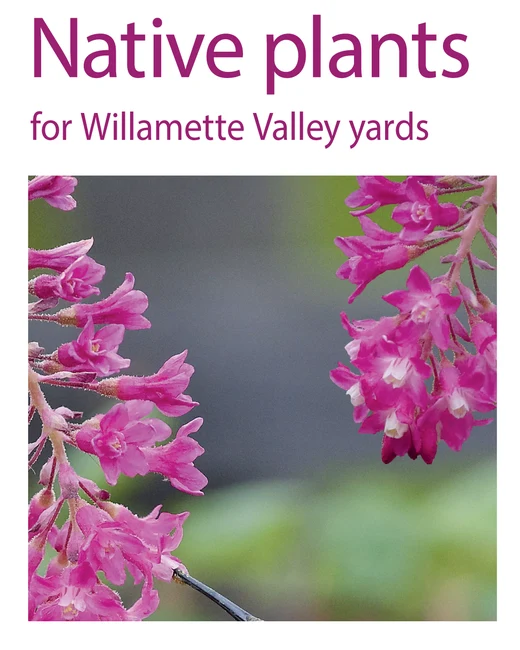
Native Plants for Willamette Valley Yards
An excellent resource for our local area. The plants are arranged by size, from large trees to small shade-friendly ground cover. It's a free publication that you can download the booklet (PDF).
~ Websites ~
Visit Native Plant Society of Oregon
Explore PlantNative's Oregon pollinator plant list
Includes both native and nonnative plants.
iNaturalist
A free app and website where you can photograph bees (or any organism) and receive identification help from experts and the community. Great for learning what species are in your area.
Visit iNaturalistBumble Bee Watch
Citizen science project focused specifically on tracking bumblebee populations across North America. Submit photos and help monitor these important pollinators.
Visit Bumble Bee WatchRecommended Plants for Pollinators
These plants are well-suited to Willamette Valley conditions and provide excellent forage for a variety of bee species:
Native Plants
- Oregon grape (Mahonia aquifolium)
- Red-flowering currant (Ribes sanguineum)
- Oceanspray (Holodiscus discolor)
- Camas (Camassia quamash)
- Goldenrod (Solidago canadensis)
- Douglas aster (Symphyotrichum subspicatum)
Garden Plants
- Lavender (Lavandula spp.)
- Catmint (Nepeta spp.)
- Salvia (Salvia spp.)
- Yarrow (Achillea millefolium)
- Sunflowers (Helianthus annuus)
- Bee balm (Monarda spp.)
- Clover (Trifolium spp.)
- Purple coneflower (Echinacea purpurea; non-native to Oregon)