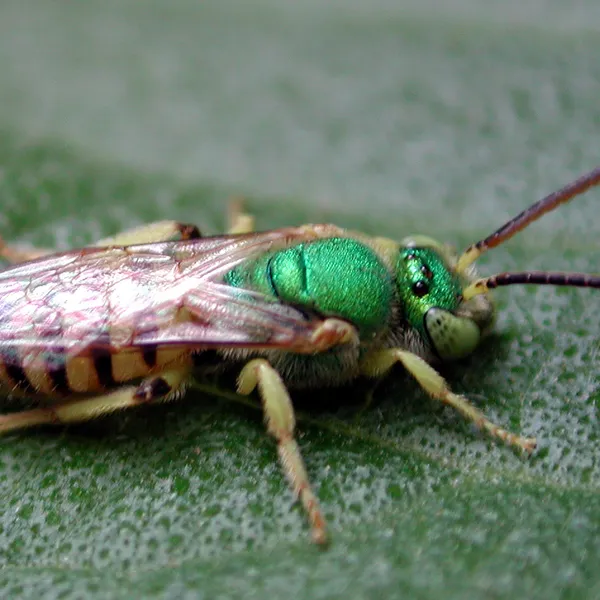
Metallic sweat bees
Agapostemon spp.
Look for a flash of green on a flower. These ground-nesting bees collect pollen for young growing in small underground chambers.

The Willamette Valley is home to over 200 species of native bees. These often-overlooked pollinators help wildflowers, garden plants, and crops produce seeds and fruit. They range from tiny, shiny small carpenter bees to larger, furry digger bees. Explore ten bee groups below, and learn how their nests, flowers, and seasons fit together.
Bumblebees are native bees too; this page introduces other local bee groups. Explore our bumblebees.
Regional species estimate: Xerces Society regional report (2012, page 5).
Agapostemon spp.
Look for a flash of green on a flower. These ground-nesting bees collect pollen for young growing in small underground chambers.
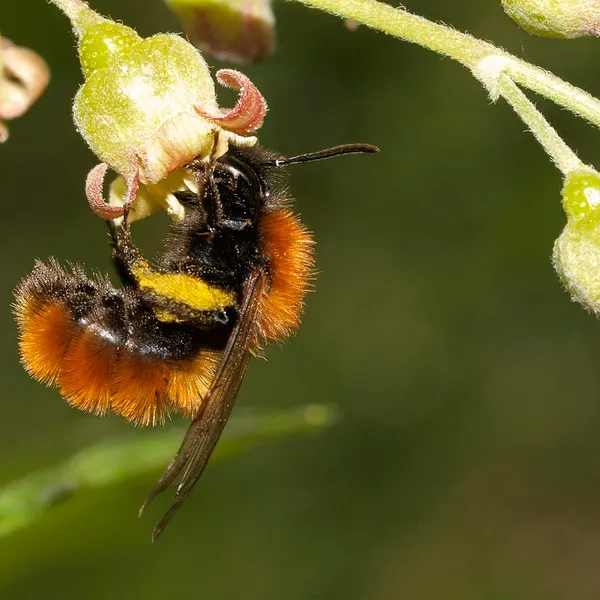
Andrena spp.
Many mining bees appear with spring flowers. Each female digs a soil nest and gathers pollen to feed her developing young.
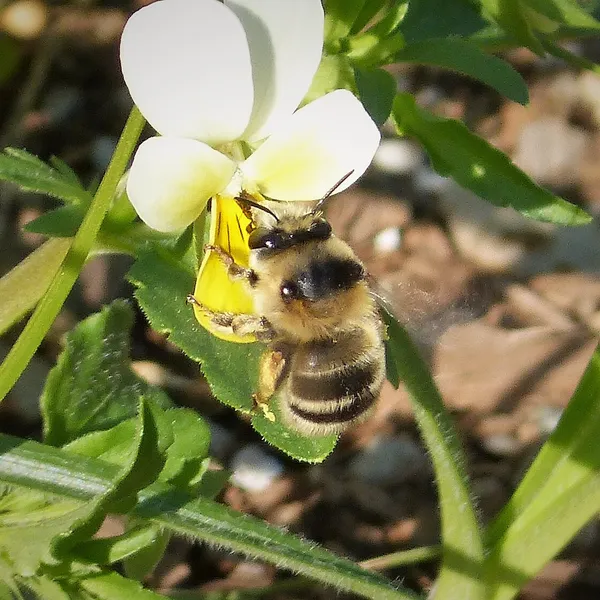
Anthophora spp.
Digger bees are furry, quick-moving flower visitors. Most dig soil nests, and their long tongues help them reach nectar inside tubular flowers.
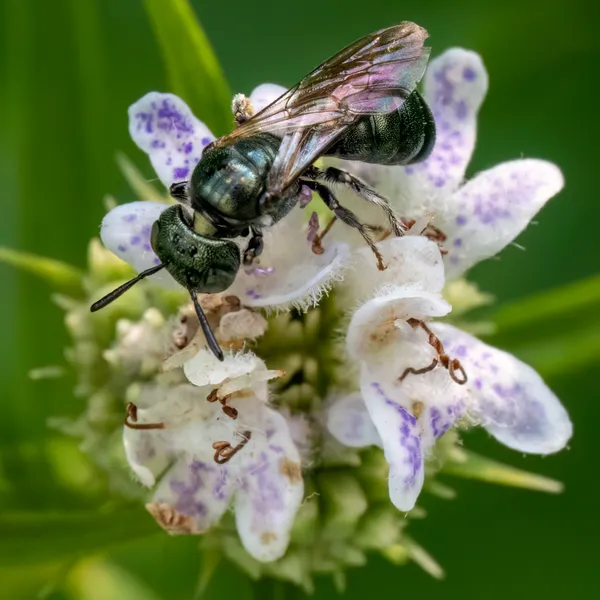
Ceratina spp.
Small carpenter bees raise their young inside plant stems. A dead stem with an exposed center can become a useful nesting place.
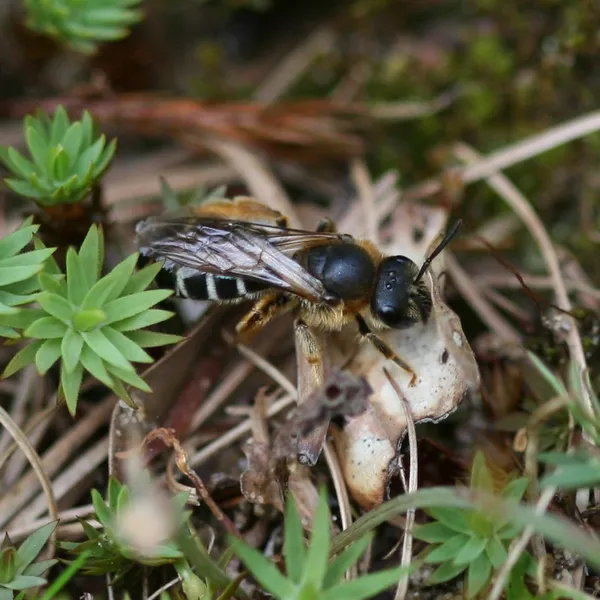
Halictus spp.
Pale hair bands give many striped sweat bees their name. They nest underground, and some species have queens and workers.
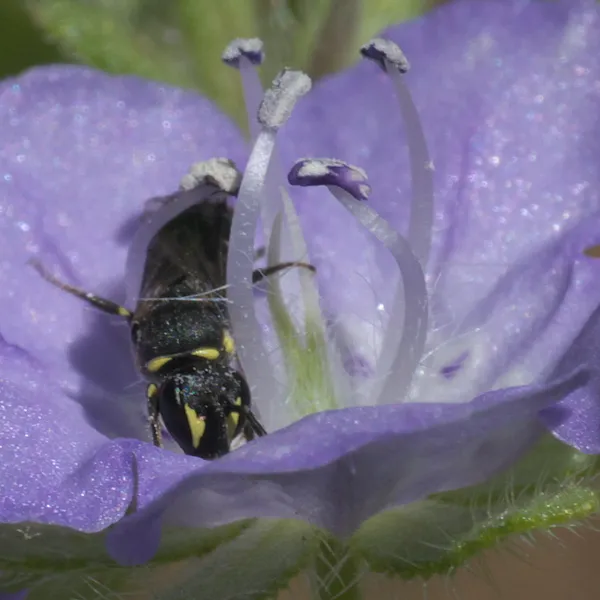
Hylaeus spp.
These small, nearly hairless bees can resemble wasps. Females carry pollen inside the body and nest in small cavities.
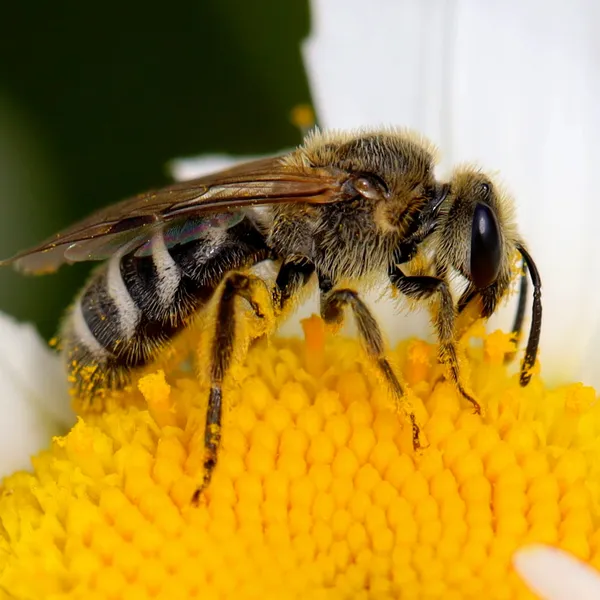
Lasioglossum spp.
Small sweat bees visit many kinds of flowers. Most nest in soil, and their social lives vary from solitary nesting to cooperative colonies.
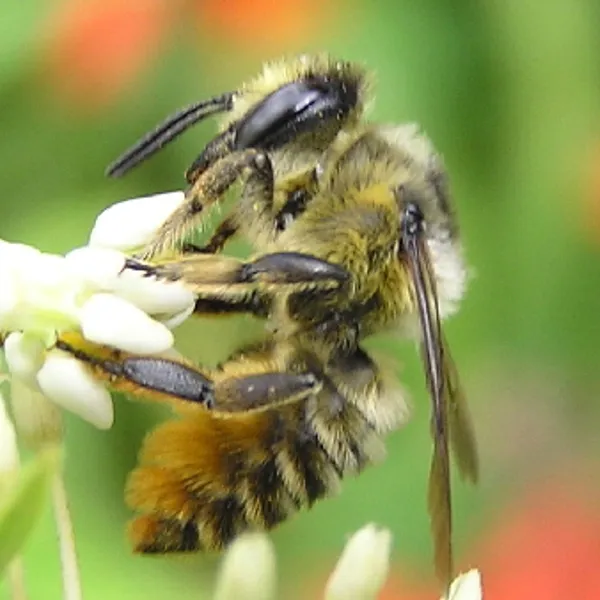
Megachile spp.
Neat cuts along a leaf's edge can be a leafcutter bee's work. Females use the pieces to build chambers for their young.
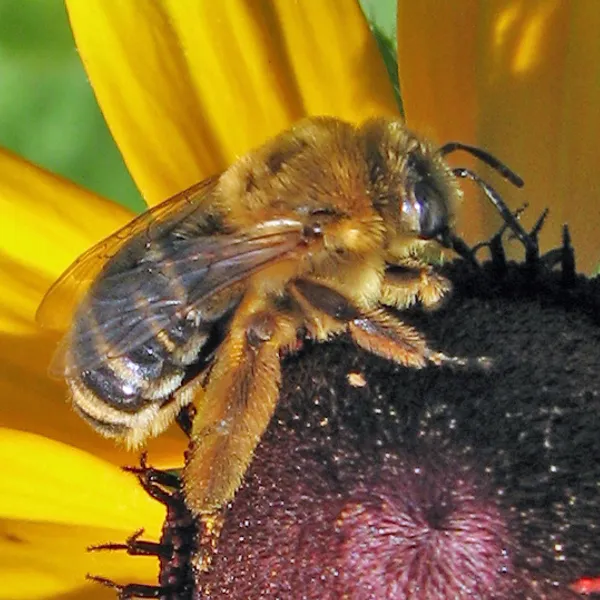
Melissodes spp.
The males' long antennae give these bees their name. Look for furry females gathering pollen on summer and early-fall flowers.
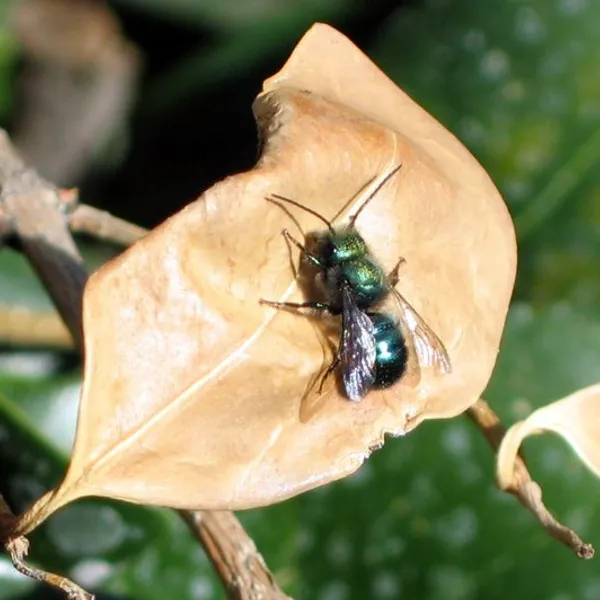
Osmia spp.
Mason bees raise young in small cavities. Many use mud or chewed leaves to build the walls between their brood cells.
Native bees employ a wide variety of nesting strategies. Some dig tunnels in the ground, others use hollow stems or beetle holes in wood, and a few even nest in snail shells. Most are solitary. In some species, females share nesting sites, but each female creates and provisions her own nest without the help of workers.
This diversity means that you have many ways of supporting our native bees. Like those of most creatures, our native bees’ requirements are pretty simple: they need shelter, food, and water. Providing a variety of nesting options and a continuous supply of blooming plants throughout the growing season can support a wide range of native bee species. Consider leaving some bare soil for ground nesters, installing bee hotels for cavity nesters, and planting a diverse array of native flowers to provide nectar and pollen resources.
The best thing you can do for native bees is to embrace a bit of messiness in your yard. Allowing space for a variety of habitats, such as loose soil patches for ground nesters and dead wood and pithy stems for cavity nesters, will go a long way toward supporting native bee populations. Leave some bare soil undisturbed, keep dead stems standing through winter, and skip the fall cleanup in parts of your garden. Piles of dead leaves left in a corner of your yard can provide shelter for bumblebees that hibernate during the winter.
Plant a diversity of native flowers that bloom at different times, avoid pesticides, and provide a water source. These simple steps can transform your property into a haven for dozens of native bee species.
Explore our pollinator resources below
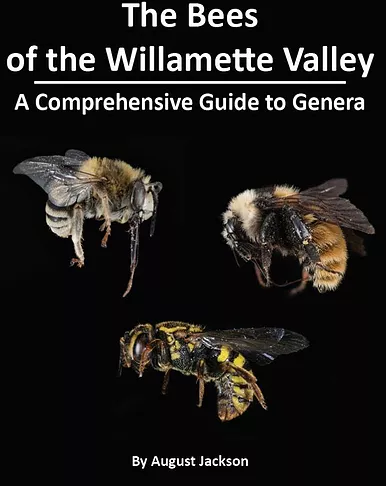
The Bees of the Willamette Valley
An excellent resource for our region. The photos are stunning and the descriptions provide a great way to begin identifying our native species. It can be downloaded here.
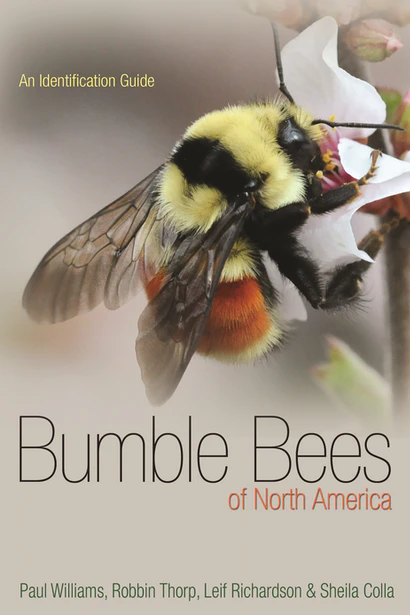
This is a very thorough book on bumblebees. While it's not Oregon-specific, it goes into a lot of detail on their life cycle and has excellent resources for identifying each species.
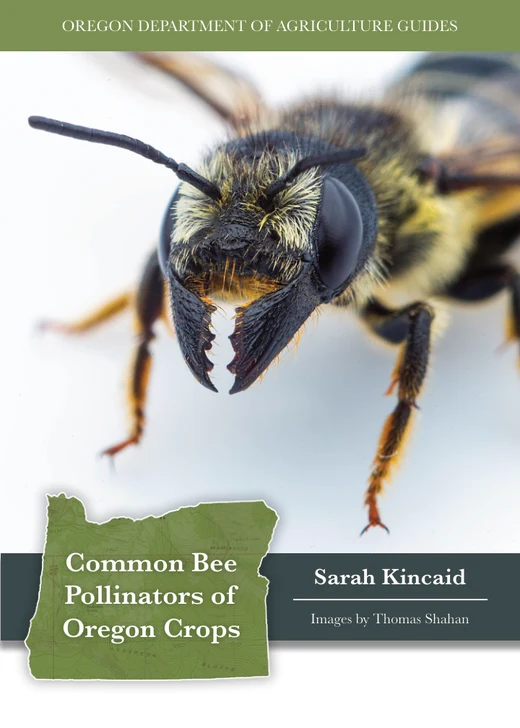
Read the Oregon Department of Agriculture Bee Guide
This is a nice overview of the native bees in Oregon. It's a great starting point for learning about our native bees and can be downloaded here.
Read the Oregon Department of Agriculture Bee Guide
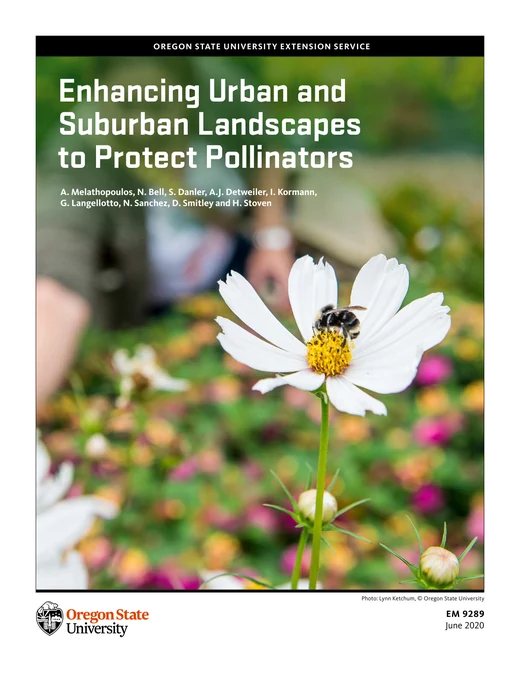
Enhancing Urban and Suburban Landscapes to Protect Pollinators
A Pacific Northwest guide to making yards, gardens, and other landscaped spaces more welcoming to pollinators. Includes plant selection, habitat care, and example garden designs, with an emphasis on areas west of the Cascades.
Read the guide (PDF, 12.8 MB) · June 2020 · 41 pages
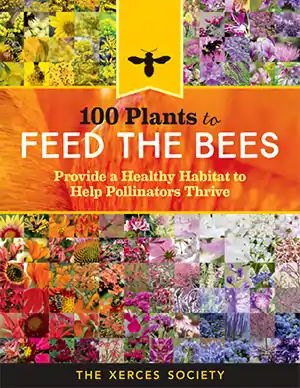
This is not Oregon-specific, but it is a great starter guide, and the native range of each plant is shown on a map. Find it here.
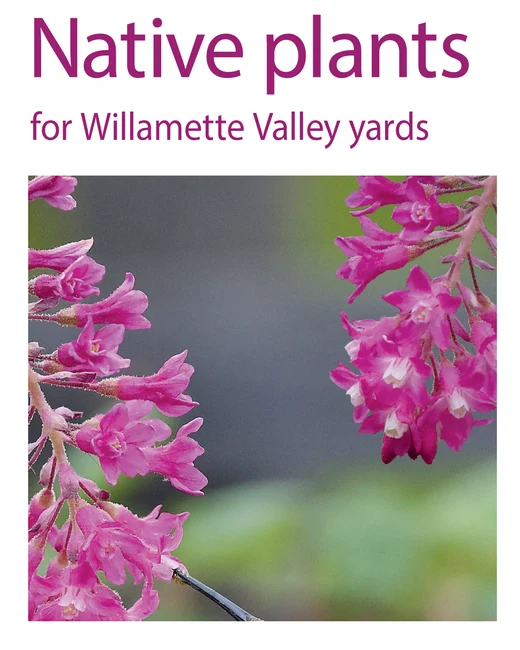
Native Plants for Willamette Valley Yards
An excellent resource for our local area. The plants are arranged by size, from large trees to small shade-friendly ground cover. It's a free publication that can be downloaded here.
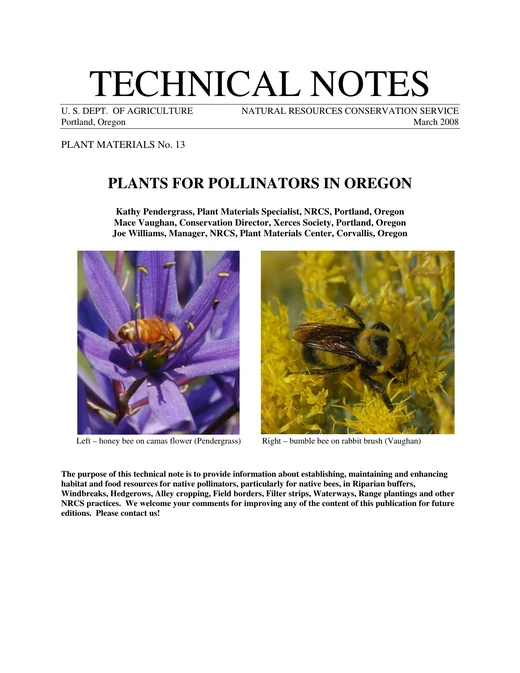
Plants for Pollinators in Oregon
An Oregon guide to establishing and caring for pollinator habitat, with a focus on native bees. Covers choosing plants for local growing conditions, planning flowers through the seasons, and providing nesting areas. Also includes habitat guidance for butterflies.
Read the guide (PDF, 411 KB) · March 2008 · 26 pages

While not specific to planting for bees, this is my favorite permaculture book and covers principles that can and should be applied to any gardening adventure.
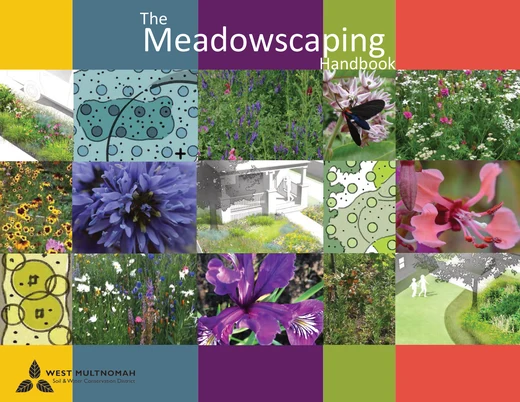
This handbook is a fantastic resource written specifically to help gardeners, landscape professionals and ecologists in the Willamette Valley design and plant communities of native prairie plants in urban garden settings.
Native Plant Society of Oregon
Explore PlantNative's Oregon pollinator plant list
Includes both native and nonnative plants.
We can provide guidance on pollinator-friendly landscaping and habitat creation.
Get in Touch